Your Cart is Empty



If your concealed carry setup isn't comfortable, you aren't going to carry it. It is that simple. We see it all the time: someone buys a high-end pistol, a cheap holster, and tries to shove it into their everyday wardrobe without a plan. Two weeks later, the gun is sitting in a bedside drawer because it was "too bulky" or "poked too much."
Carrying a firearm is a lifestyle adjustment, but it shouldn't be a painful one. Achieving true concealed carry comfort is a science that balances the right gear, the right clothing, and the right positioning on your body. Here is exactly how to dial in your setup so you can carry all day, every day, without constant adjustment.
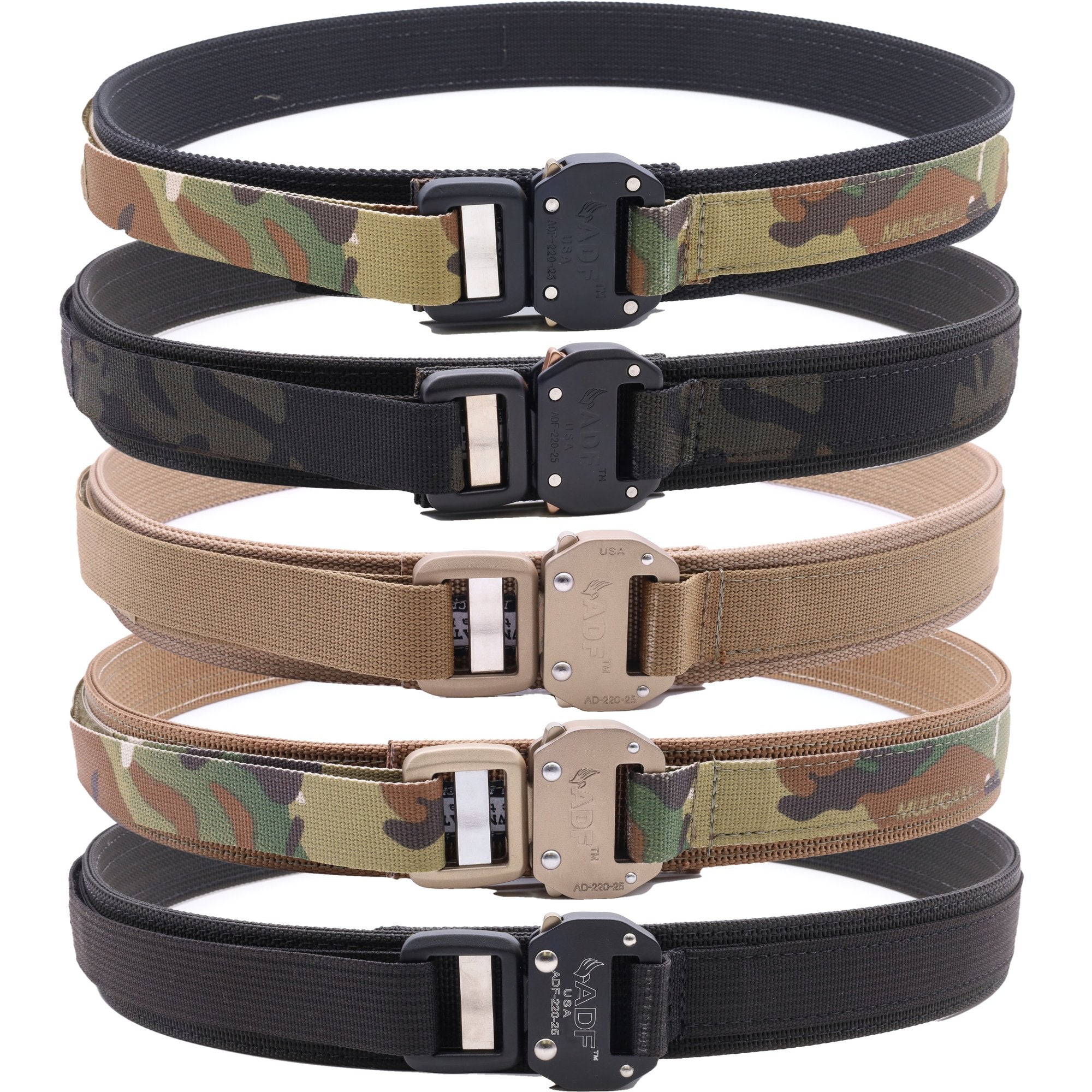
Most beginners make the mistake of thinking any leather belt from a department store will work. It won’t. A standard belt is designed to hold up your pants; a quality gun belt is designed to support the weight of a loaded firearm and a holster.
Without a dedicated gun belt, your holster will sag, pulling your pants down and causing the grip of the gun to tip outward away from your body. This "tipping" is the primary cause of printing and discomfort. A reinforced belt keeps the holster tight against your frame, distributing the weight evenly across your hips. When the weight is distributed, the "hot spots" of pain on your hip bone disappear.
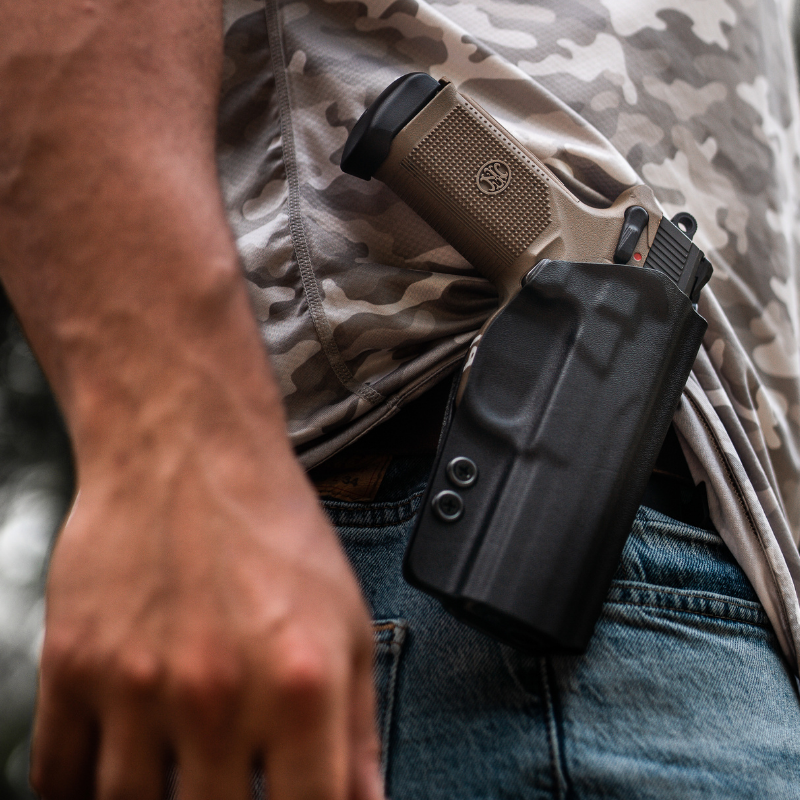
When it comes to comfort, the material of your holster matters as much as the gun itself. At Rounded by Concealment Express, we specialize in Kydex holsters for a reason. Kydex is thin, lightweight, and moisture-proof. Unlike leather, it won't absorb sweat on a hot day, which prevents skin irritation and protects your firearm from corrosion.
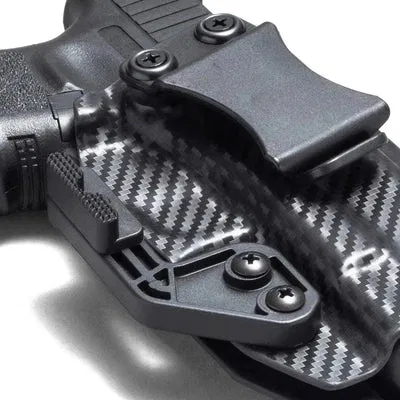
For maximum comfort, look for a holster with a "full sweat guard." This is the piece of Kydex that extends upward between the slide of the gun and your skin. It prevents the serrations of the slide or the hammer from digging into your side.
Furthermore, a slim profile is critical. The less material you have inside your waistband, the less you have to adjust your pant size. Our IWB Kydex holsters are precision-molded to the specific firearm to ensure there is zero unnecessary bulk.
You don't need to wear a tactical vest and cargo pants to hide a gun. In fact, dressing "tactical" often draws more attention than you want. You can maintain your personal style by following a few simple clothing rules.
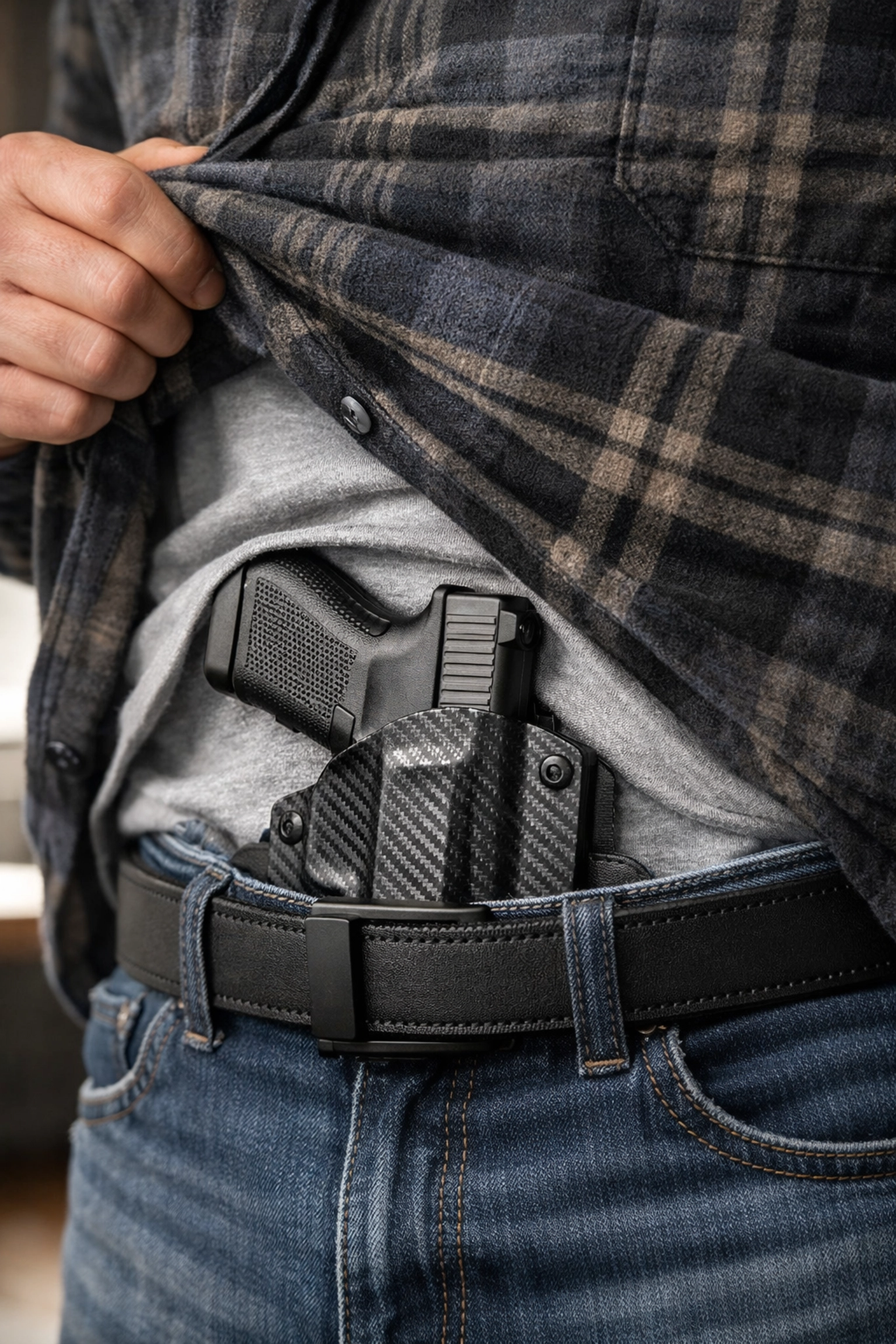
Every body type is different. Where a 160-lb person carries comfortably will differ from where a 250-lb person carries. You need to experiment with different "clock positions" around your waistline.
Appendix Inside the Waistband (AIWB) is popular because it offers the fastest draw and excellent concealment. It places the gun in the natural "void" created by your hip and groin area. However, it requires a specific holster setup. For AIWB, we highly recommend using a "claw" or "wing" attachment. This small plastic piece pushes against the back of your belt, rotating the grip of the gun into your stomach to prevent printing.
This is the traditional carry position. It is generally very comfortable for walking and standing. The trick here is the "cant" or the angle of the holster. Tilting the grip forward (a "FBI cant") helps the gun follow the natural curve of your back, making it disappear under a shirt. If you find the muzzle is poking your hip, try moving the holster slightly toward the 4 o'clock position.
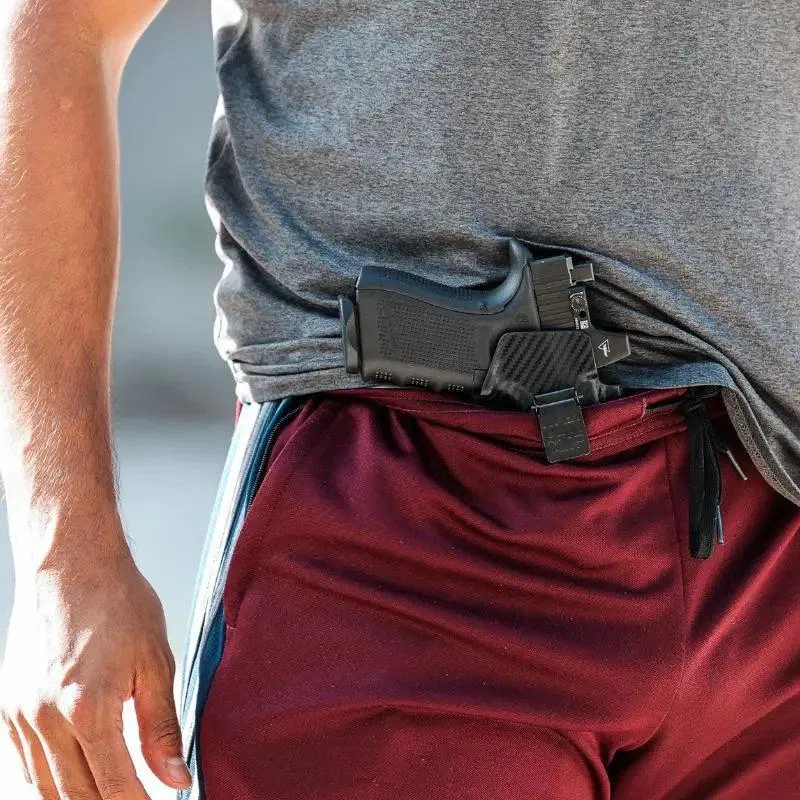
Don't think you're restricted to jeans and a belt. Many people successfully carry in athletic gear using a minimalist IWB holster clipped to a sturdy drawstring or by using a belly band system.
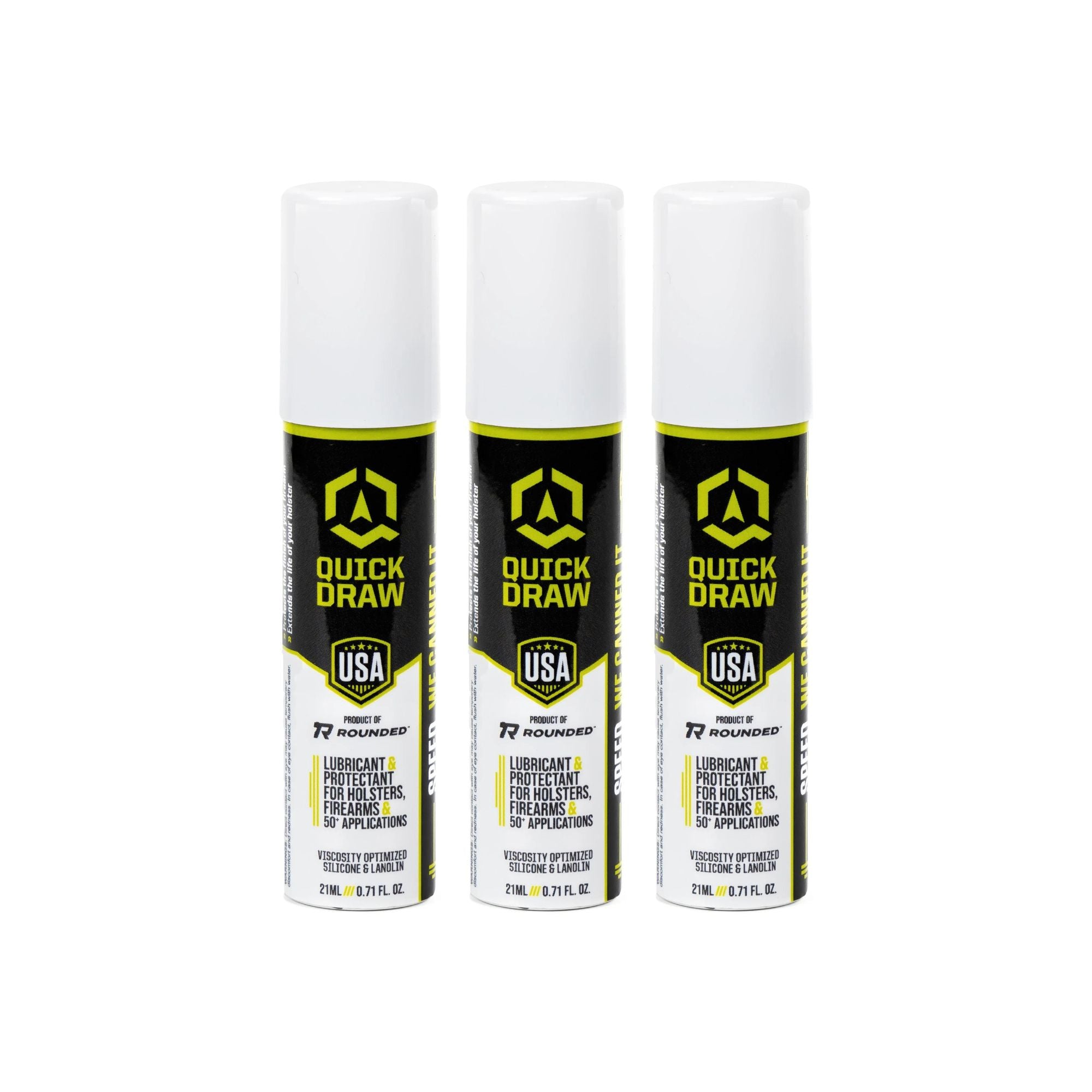
If you have found a position you like but still experience a "poke" or "hot spot," don't give up on the holster. Use technical enhancements to fix the issue.
For those who find traditional waistband carry impossible due to work environments or physical constraints, consider an alternative like a sling bag or specialized off-body carry, provided you maintain strict control over the bag at all times.
There is a break-in period for your body, not just your gear. The first three days you carry, you will feel like everyone is looking at you and that the gun is the size of a toaster. By day fourteen, you’ll start to forget it’s there. By day thirty, it will feel weirder to leave the house without it.
Give your body time to adjust to the new weight on your hips. If you experience minor discomfort, try moving the holster half an inch in either direction. Small adjustments make massive differences.
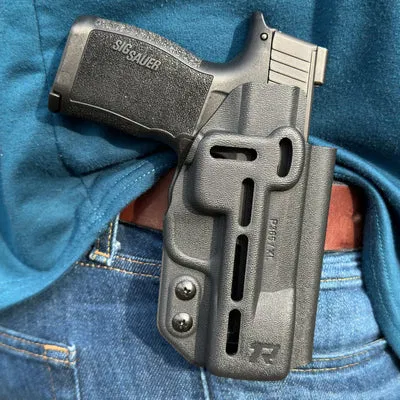
Comfort isn't just about feeling good; it's about being prepared. If you're constantly fidgeting with your holster, you're drawing attention to yourself. A comfortable carry is a stealthy carry.
To see these tips in action, check out our instructional videos where we break down the mechanics of a perfect draw and how to position your gear for any situation.
Carrying a firearm is a responsibility. Making sure you can do it comfortably ensures that you’ll actually have your tool on you when it matters most. Start with the basics: a solid belt, a precision-molded holster, and a shirt that drapes. From there, it's just about finding your "sweet spot."

Comments will be approved before showing up.