Your Cart is Empty



Choosing how to carry your firearm is just as important as choosing the firearm itself. If your setup is uncomfortable, you won’t wear it. If it doesn’t conceal well, you’re defeating the purpose of "concealed carry." For most gun owners, the debate boils down to two main styles: IWB (Inside the Waistband) and OWB (Outside the Waistband).
There is no "right" answer that applies to everyone. Your choice depends on your body type, your daily wardrobe, and your personal priorities regarding comfort versus stealth. At Rounded by Concealment Express, we specialize in both, so let’s break down the mechanics, the pros, and the cons of each to help you decide which setup belongs on your belt.
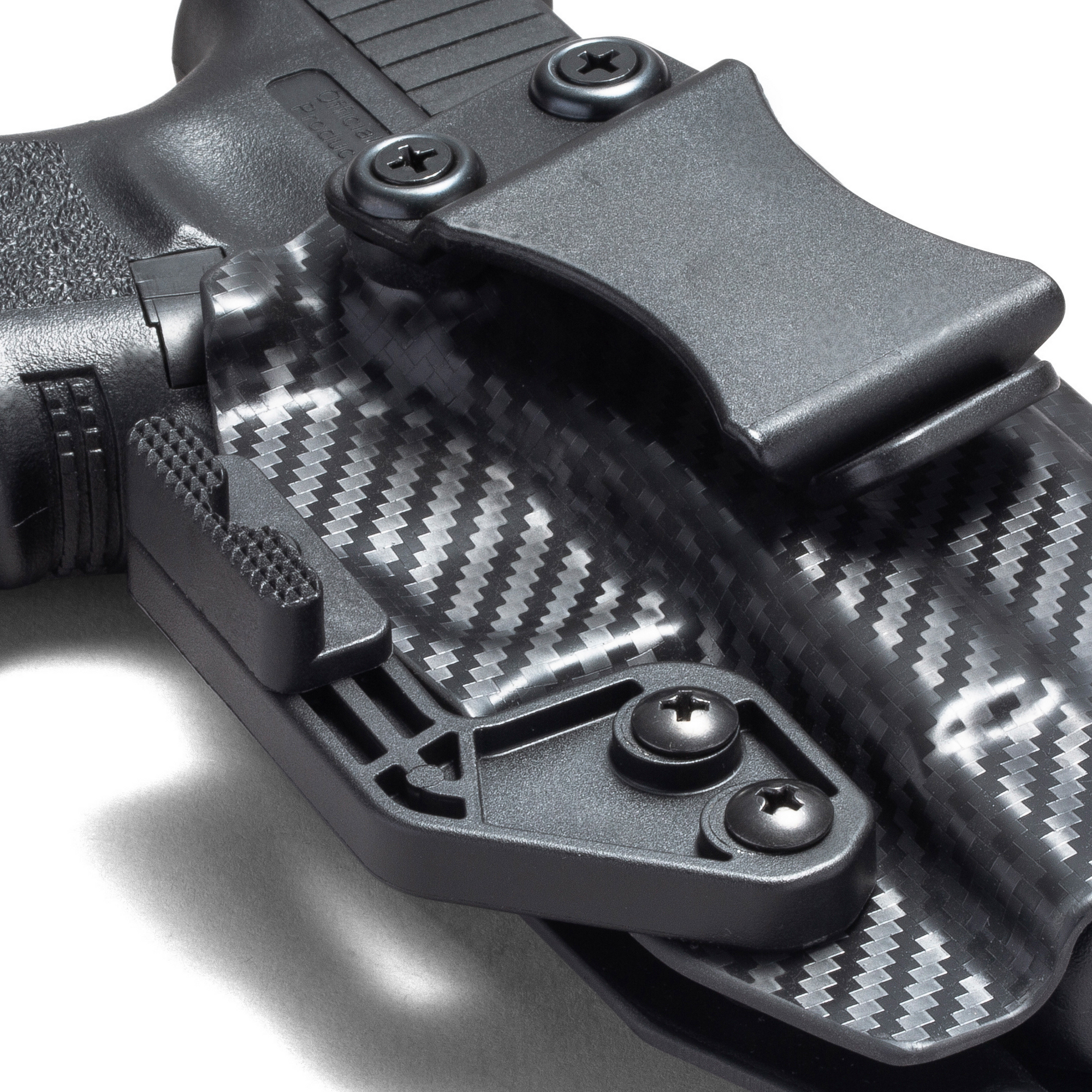
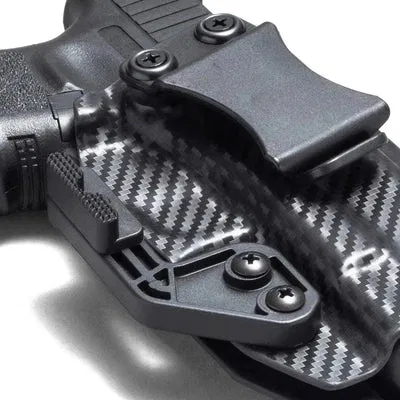
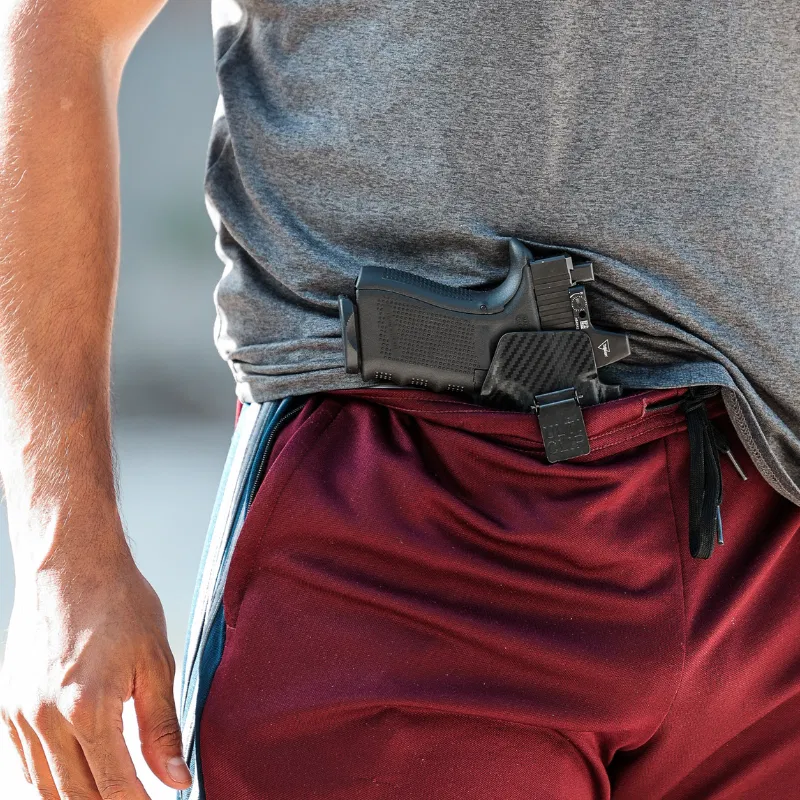
IWB holsters are designed to sit between your body and your pants. They clip onto your belt and keep the majority of the firearm’s profile tucked inside your waistband.
For many, iwb holsters are the gold standard for daily concealment. Because the pants act as a natural barrier, the only part of the holster visible is the clip. With a dark belt and a properly adjusted shirt, the gun virtually disappears.
The main complaint with IWB is comfort. Since the holster is inside your pants, you’re adding extra bulk to your waistline. You might need to buy pants one size larger to accommodate the holster. Additionally, having Kydex or leather pressed against your skin all day can lead to irritation if you don't have a good undershirt or a sweat guard on your holster.
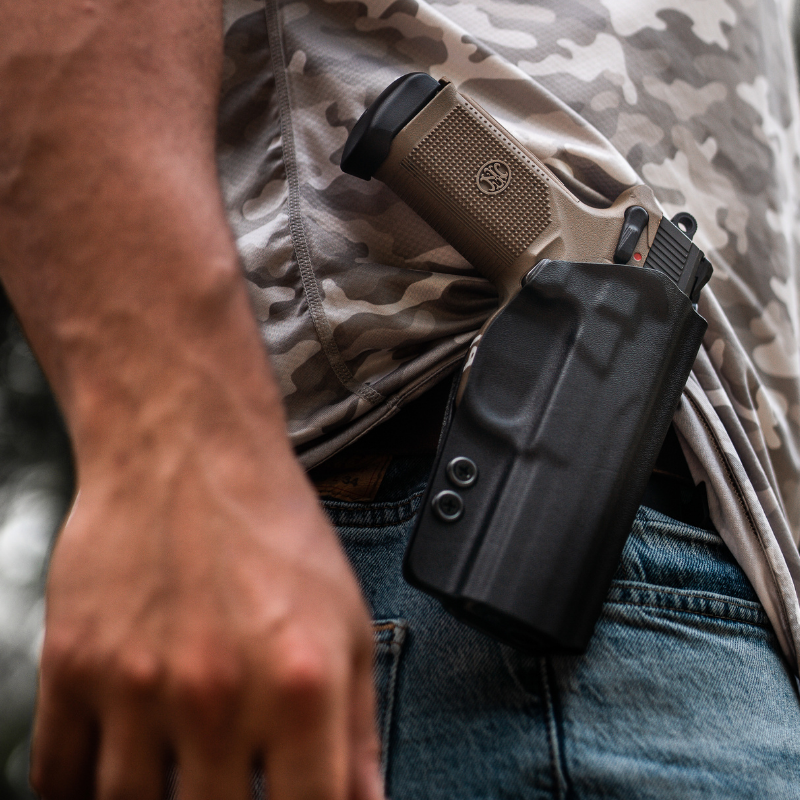
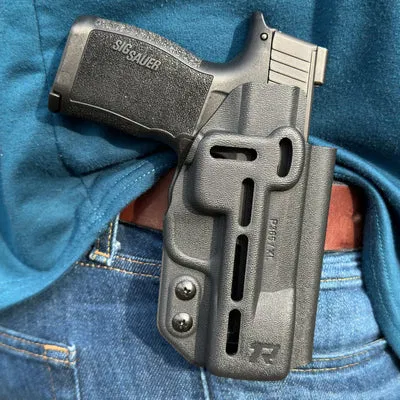
OWB holsters sit on the outside of your pants, usually threading onto your belt or clipping over it. This is the traditional way to carry, favored by law enforcement and open-carry enthusiasts. However, OWB is also a fantastic option for concealed carry if you know how to dress for it.
Concealment is the primary challenge here. Unless you are wearing an untucked button-down, a hoodie, or a jacket, an OWB holster is going to be visible. Even with a cover garment, you run the risk of the holster "peeking" out from the bottom of your shirt if you reach for something on a high shelf.
To figure out which method works for you, you need to evaluate your lifestyle through a few critical lenses.
Look at what you wear to work or out on the town. If you wear fitted clothing, tucked-in shirts, or live in a climate where it’s too hot for layers, IWB is likely your only real option for true concealment. Check out our Glock 19 IWB Holster for a perfect example of a low-profile setup that works with almost any outfit.
If you live in a colder climate and regularly wear jackets, or if your style involves loose-fitting flannels and hoodies, an OWB holster can be perfectly hidden while providing a much more comfortable experience.
Body shape plays a massive role in holster selection.
If you're unsure how a holster will sit on your frame, our Instructional Videos provide a great visual guide on positioning and adjustment.
What are you doing all day? If you spend eight hours sitting in an office chair or driving a car, an IWB holster can become a literal pain in the side. The holster can press against the hip bone or the stomach. OWB carry is generally preferred for long-distance driving or sedentary jobs.
However, if you are highly active, climbing, bending, or running, the added security of an IWB holster tucked tightly against your center of gravity is hard to beat. For those with an active lifestyle, a minimalist Kydex IWB holster is often the most secure way to keep your firearm in place.

Whether you choose IWB or OWB, the material of the holster matters. We’ve moved past the days of floppy nylon or high-maintenance leather. All our holsters are made from .08” Kydex, precision-molded to the specific firearm.
Why does this matter?
In a self-defense situation, every fraction of a second counts. Generally, OWB is faster. There is less fabric to clear, and your thumb can more easily wrap around the grip.
IWB requires more practice. You have to clear your cover garment (usually by pulling it up with your off-hand) and then dig the gun out from behind your waistband. It isn't inherently "slow," but it does require more training to master. If you’re serious about your carry method, we highly recommend checking out our Concealed Carry Video Training Course to refine your draw.
Many seasoned gun owners don't stick to just one method. They might carry a Smith & Wesson M&P Shield IWB Holster during the work week when they need to be discreet in an office environment, but switch to an OWB setup on the weekends for hiking or running errands in a hoodie.
Your firearm choice also dictates this. A sub-compact like the Glock 42 is a dream to carry IWB because it’s so small you’ll forget it’s there. A full-sized duty pistol, however, might be better suited for OWB to keep it from digging into your thigh every time you sit down.
If this is your first holster, start by asking yourself one question: "Can I commit to wearing a cover garment every single day?"
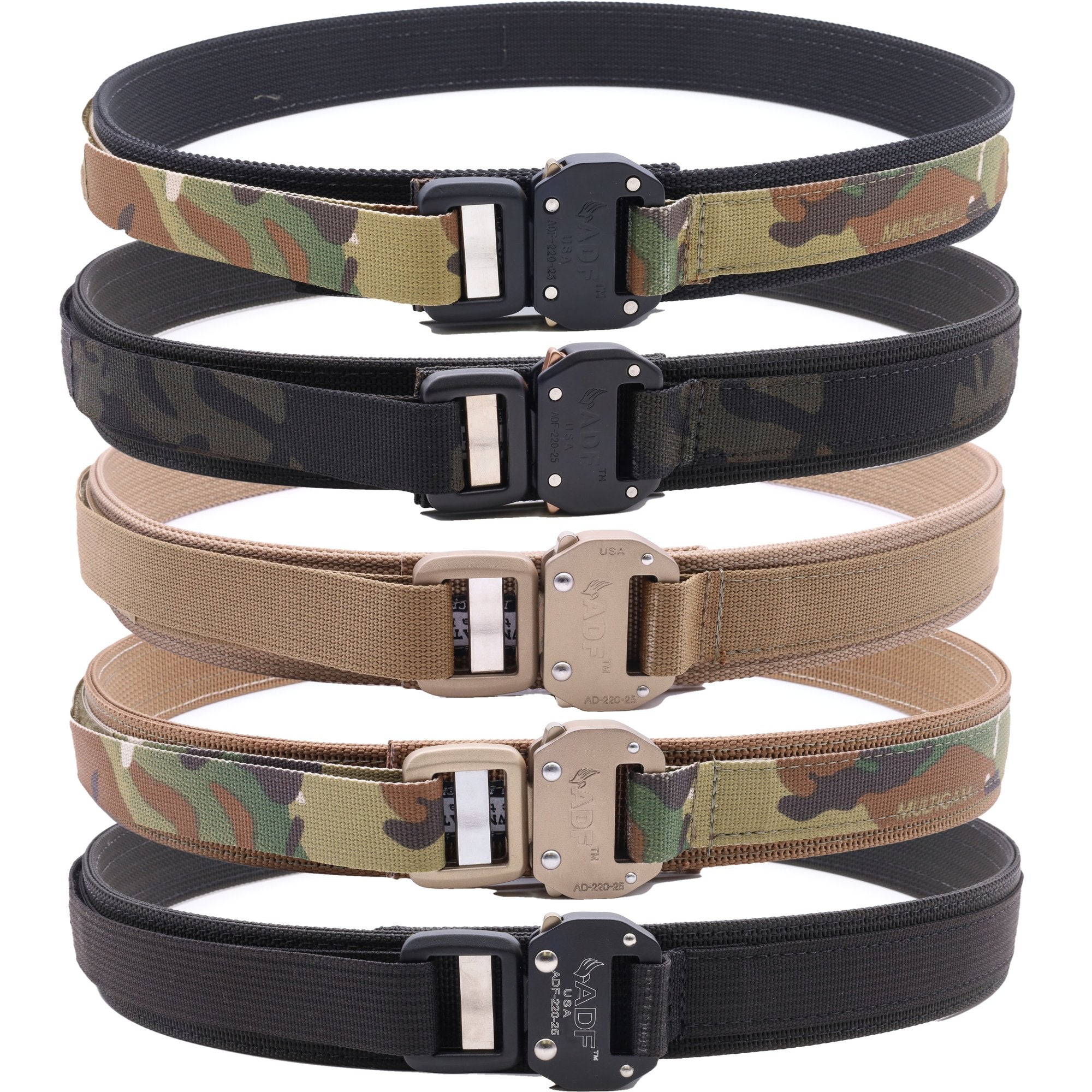
No matter which path you take, ensure you have a high-quality belt to support the weight. A standard department store belt will sag and make even the best holster feel like a burden. Our Ultimate Concealed Carry Leather Gun Belt is reinforced specifically to handle the weight of Kydex holsters without stretching or sagging.
At the end of the day, the "best" carry method is the one that allows you to carry consistently and safely. Grab your gear, head to the range, and practice until your draw becomes muscle memory.

Comments will be approved before showing up.