Your Cart is Empty



Table of contents
Choosing the right concealed carry holster is one of the most important decisions a new firearm owner can make. The holster you choose directly impacts comfort, concealment, accessibility, and safety—and the “best” option often depends on how you carry, what you wear, and how you move throughout the day.
This guide breaks down the most common concealed carry holster types, explains how each works, and helps you determine which option best fits your lifestyle.
Whether you’re brand new to concealed carry or upgrading your setup, this article will give you the clarity you need to carry with confidence.


Two people carrying the same firearm may need completely different holsters based on:
Body type and build
Clothing choices
Daily activities (sitting, driving, bending)
Carry position preference
Experience level
A quality holster should secure the firearm, protect the trigger, and allow a consistent, safe draw, while staying comfortable enough that you’ll actually wear it every day.
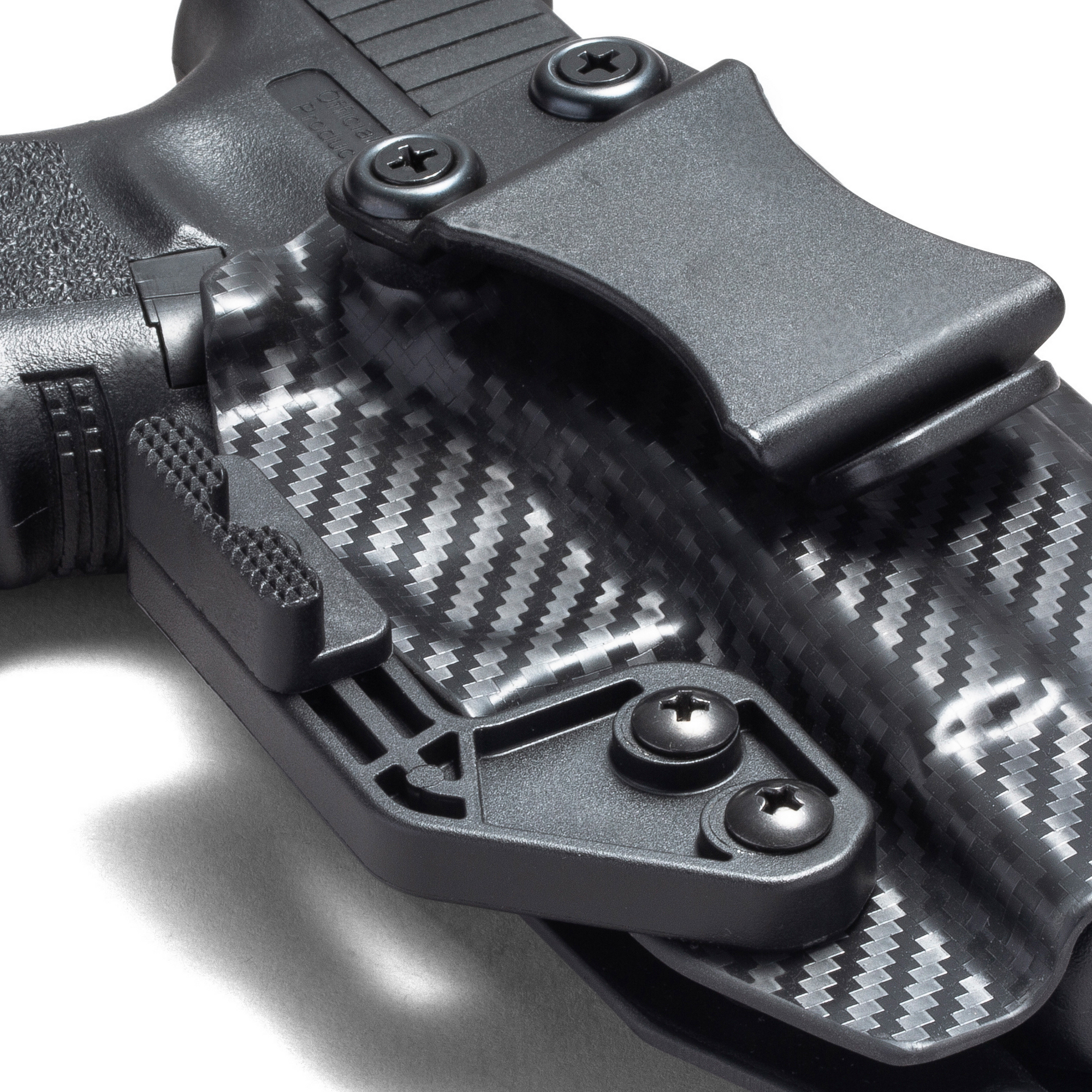
An Inside the Waistband (IWB) holster is worn inside your pants, between your body and your waistband. This design pulls the firearm closer to the body, making it one of the most popular choices for concealed carry.
Excellent concealment under everyday clothing
Works well with compact and full-size firearms
Ideal for appendix, strong-side, or behind-the-hip carry
Minimal printing when properly adjusted
Can feel uncomfortable without proper ride height and cant
Less forgiving with poor belt support
Best for: Everyday concealed carry, especially for users prioritizing concealment over quick on/off convenience.
Appendix carry is a specific IWB position, typically located between the 12 o’clock and 2 o’clock position on the waistband.
Faster, more natural draw stroke
Excellent concealment from most angles
Easier to protect firearm in crowded environments
Proper holster design is critical
Trigger coverage and retention are non-negotiable
Body type and firearm length matter
Best for: Experienced carriers looking for speed and concealment with disciplined training habits.
An Outside the Waistband (OWB) holster sits on the exterior of your belt and pants. While traditionally associated with open carry, many OWB designs are slim enough for concealed use.
Superior comfort for extended wear
Easier draw due to natural hand position
Less pressure against the body
Ideal for larger or heavier firearms
Less discreet in warm weather
Slightly increased printing risk
Best for: Cooler climates, range use, or users prioritizing comfort and draw consistency.
Paddle holsters use a rigid paddle that slides inside the waistband or inside the belt while the holster body remains outside the pants/belt.
Quick on/off without removing belt
Good stability with proper fit
Comfortable for casual or intermittent carry
Slightly bulkier than belt-loop OWB
Less secure during physical activity
Best for: Users who need convenience and flexibility without full belt removal.
A tuckable holster allows a shirt to be tucked in between the holster and the clip, leaving only discreet hardware visible.
Ideal for business casual or professional attire
Enables concealed carry with tucked-in shirts
Maintains concealment without jackets
Clip placement and quality matter
Best for: Office environments or situations requiring tucked-in shirts.
Sidecar holsters combine the firearm holster with an attached spare magazine carrier in a single appendix-style rig.
Balanced weight distribution
Faster reload access
Streamlined appendix setup
Larger footprint
May feel bulky for some body types
Best for: Dedicated appendix carriers who value spare magazine access.
Universal holsters are designed to fit multiple firearm models, often through adjustable retention systems.
Fewer SKUs to manage
Ideal for households with multiple firearms
Cost-effective and flexible
Not quite as form-fitted as model-specific holsters
Retention adjustment is critical
Best for: New gun owners, multi-firearm households, or users seeking versatility.
Trigger guard holsters cover only the trigger area and are often used with lanyards or minimalist carry setups.
Ultra-low profile
Lightweight and discreet
Not ideal for reholstering on-body
Best for: Deep concealment or secondary carry with experienced users.
Carry position you prefer
Daily clothing choices
Time spent sitting or driving
Firearm size and weight
Comfort vs concealment priority
Maximum concealment: IWB / AIWB
Maximum comfort: OWB
Professional attire: Tuckable
Speed & access: Appendix / Sidecar
Flexibility: Universal holsters
The best concealed carry holster is the one you’ll actually wear every day. Comfort, concealment, and safety must work together—if one fails, consistency suffers.
Understanding the differences between holster types helps you make an informed decision, reduce trial-and-error, and carry responsibly with confidence.
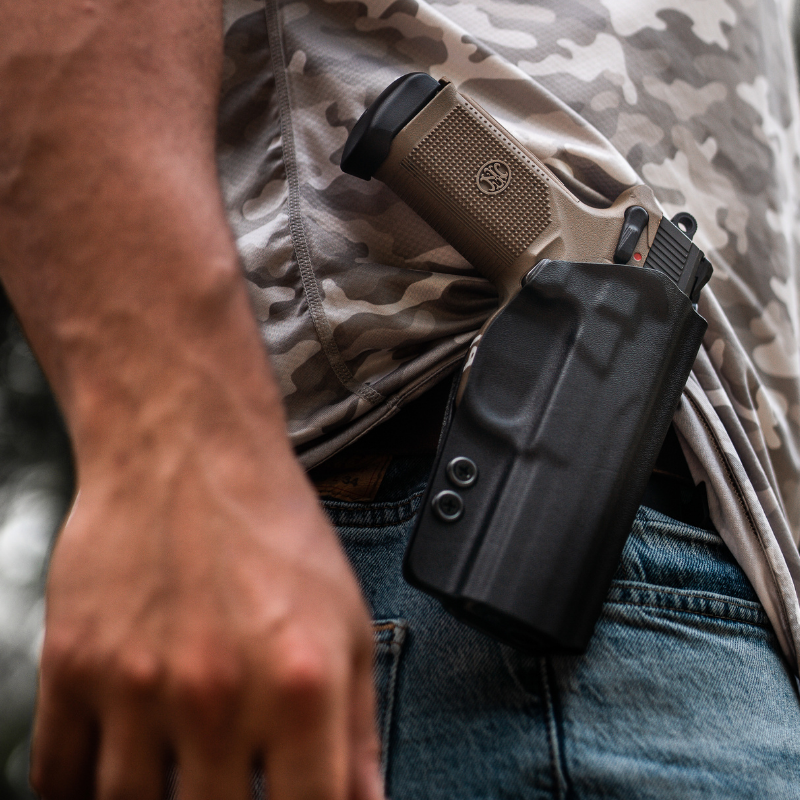
The best holster type for concealed carry depends on your body type, clothing, and daily activities. Inside the Waistband (IWB) holsters are the most popular choice because they offer excellent concealment and versatility. Many carriers also prefer appendix IWB (AIWB) for faster draw times, while others choose OWB holsters for increased comfort when concealment is still possible with outer garments.
Both IWB and OWB holsters can be effective for concealed carry, but they serve different needs:
IWB holsters offer superior concealment and are easier to hide under everyday clothing.
OWB holsters are typically more comfortable and provide a more natural draw but often require a jacket or overshirt to stay concealed.
For most people, IWB is better for daily concealed carry, while OWB excels in comfort-focused or cooler-weather setups.
Appendix carry holsters are safe when properly designed and used correctly. A quality appendix holster must fully cover the trigger guard, provide consistent retention, and allow safe reholstering. Training, disciplined trigger finger placement, and proper holster fit are critical for safe AIWB carry.
Yes, OWB holsters can be concealed effectively, especially when paired with longer cover garments like jackets, hoodies, or flannel shirts. Slim-profile OWB holsters designed for concealment sit close to the body and reduce printing, making them a viable option for many carriers.
A tuckable holster allows you to conceal a firearm while wearing a tucked-in shirt. This makes tuckable holsters ideal for professional, business-casual, or formal environments where untucked shirts or outer garments aren’t practical.
Universal holsters can be a good option for concealed carry, especially for new gun owners or households with multiple firearms. While they may not be as form-fitted as model-specific holsters, adjustable retention systems allow them to be secure, versatile, and cost-effective when properly configured.
For beginners, an IWB holster with adjustable retention, ride height, and cant is often the best starting point. This setup allows new carriers to experiment with different positions and fine-tune comfort while maintaining safe concealment.
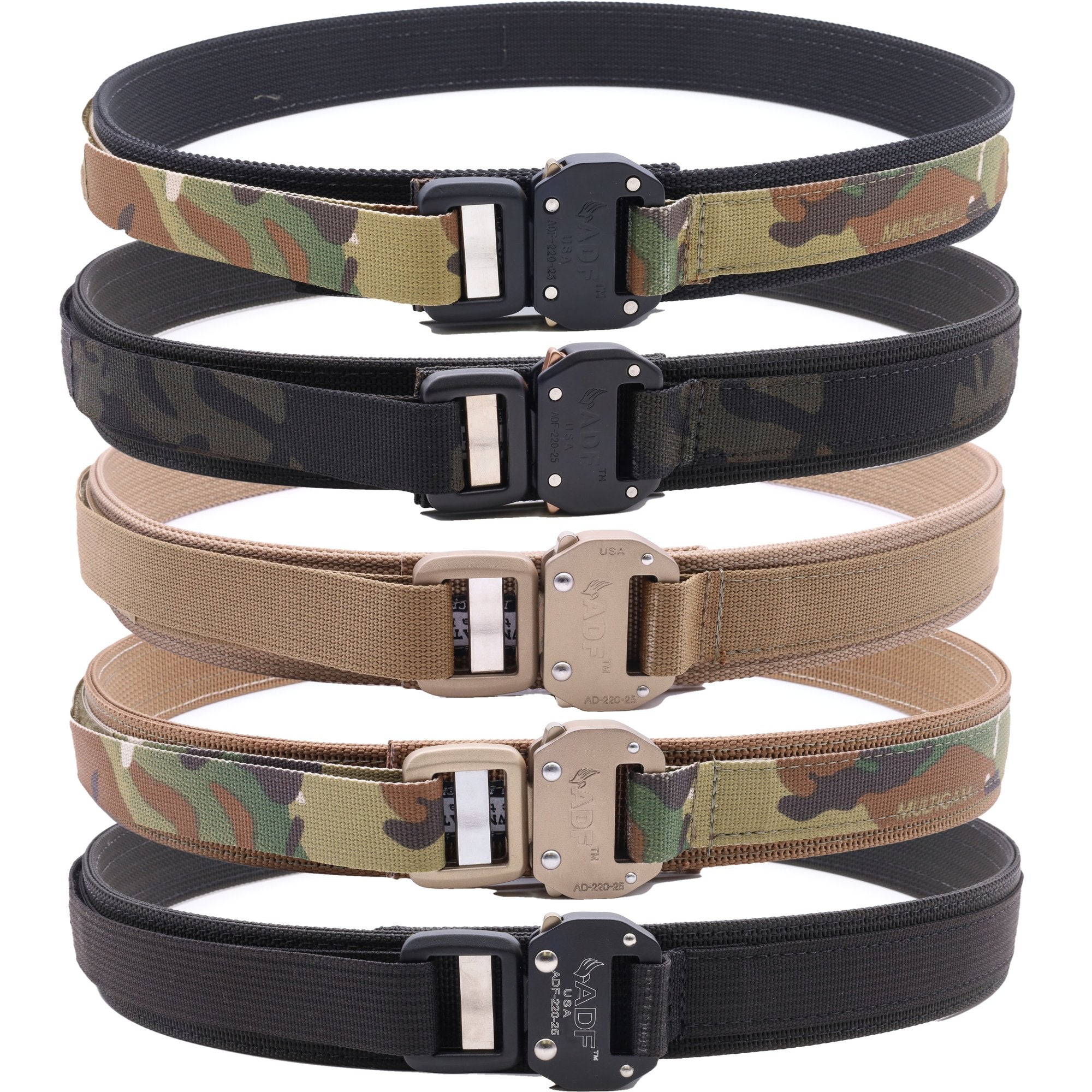
Most concealed carry holsters perform best when paired with a sturdy gun belt. A proper belt supports the weight of the firearm, improves stability, and reduces printing. While some paddle or clip-based holsters can work without a belt, overall comfort and security are significantly improved with one.
A concealed carry holster should be tight enough to securely retain the firearm during movement but loose enough to allow a smooth, consistent draw. Adjustable retention allows you to fine-tune this balance based on personal preference and activity level.
Yes, many people successfully conceal full-size handguns using IWB or OWB holsters with proper positioning and clothing choices. Appendix carry, longer cover garments, and holsters with good body contouring all help reduce printing when carrying larger firearms.
Ben Jimenez - Co-Founder & CEO
Ben is the co-founder of Rounded Gear (formerly Rounded Gear), an avid gun owner, and proponent of EDC. He started the company back in 2014 after his daughter was born. He decided that it was time to purchase a gun to protect his growing family. When he struggled to find a decent left-handed kydex holster for his EDC, he decided to make himself one instead. From making that first holster back in 2014 to a state of the art manufacturing facility in Jacksonville, Florida, the rest, as they say, is history.

Comments will be approved before showing up.