Your Cart is Empty



If you carry a firearm every day, you’ve probably noticed something: the world is a dirty place. Between the lint from your t-shirt, the dust from the office, and the moisture from your own skin, your concealed carry weapon (CCW) is constantly under siege.
Unlike a "safe queen" that only sees the light of day once a year, or a dedicated range gun that gets cleaned after every 500 rounds, your daily carry pistol lives in a harsh environment. It sits against your body, absorbs salt from sweat, and collects debris in every crevice. If the day ever comes when you actually need to use it, "it was too dirty to cycle" is not an acceptable excuse.
Learning how to clean a handgun properly is a fundamental skill. It’s not just about aesthetics; it’s about reliability and life-saving performance. In this guide, we’re going to break down the essential firearm maintenance tips every CCW holder needs to know, from the safety checks to the final function test.
Most people think of firearm cleaning as removing carbon fouling after a day at the range. While that’s important, a concealed carry pistol has a different enemy: the environment.
When you carry IWB or OWB, your gun is exposed to body heat and moisture. This creates a prime environment for oxidation (rust), especially on slide serrations, sights, and controls. Furthermore, the oil on your gun acts like a magnet for pocket lint and dust. Over time, this "gunk" can migrate into the trigger group or the firing pin channel, potentially causing a light primer strike or a failure to go into battery.
Regular maintenance ensures that your EDC (Everyday Carry) remains a tool you can bet your life on.
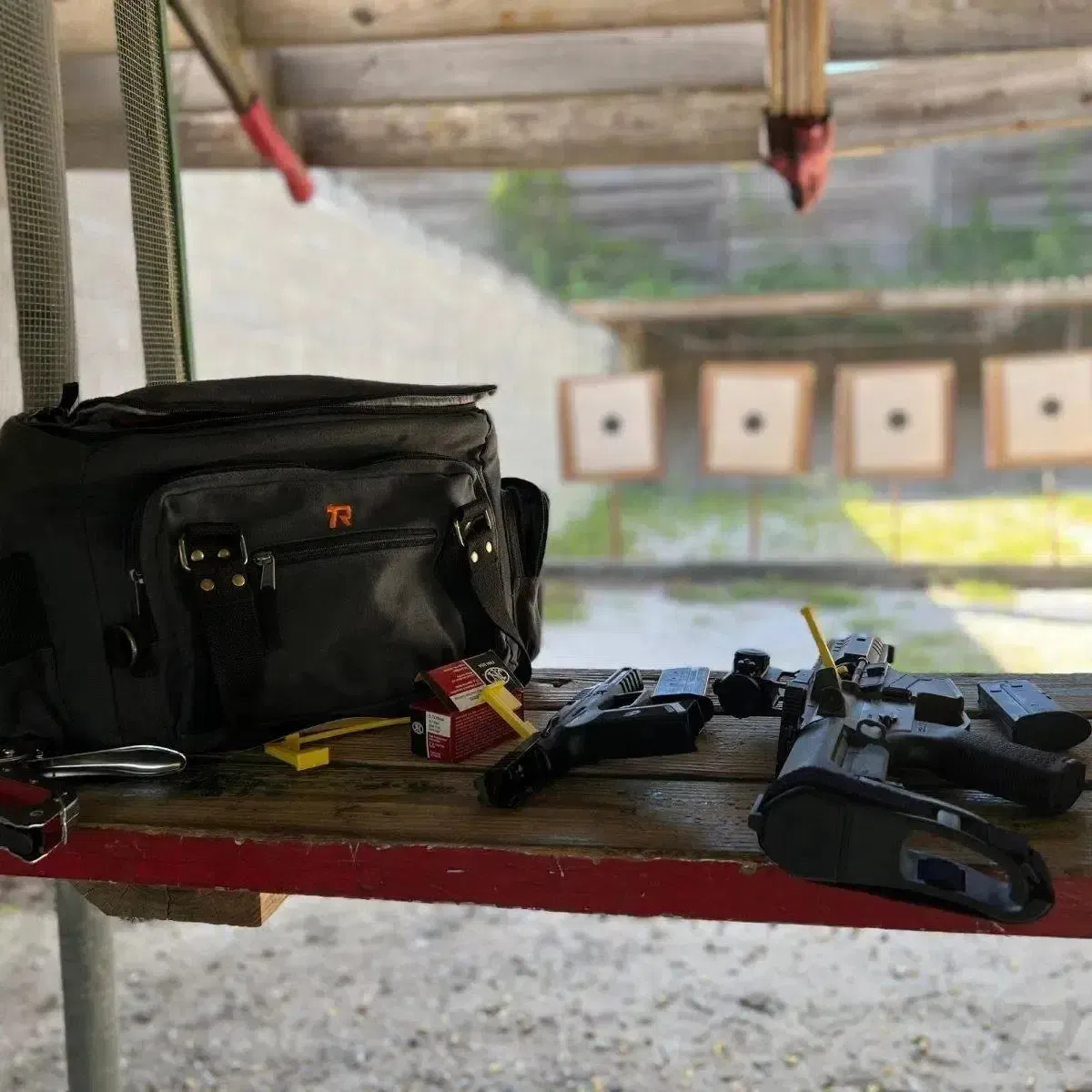
Safety isn't just a suggestion; it's the foundation of everything we do. Before you even touch a bottle of solvent, you must prepare your environment.
For a more organized workspace, many shooters use a secure valet tray to keep their pins, springs, and tools from rolling off the table.
You don't need a massive laboratory setup to clean a handgun, but you do need the right tools. Using the wrong equipment can actually damage your finish or leave behind debris.
Field stripping is the process of breaking your gun down into its main components: the slide, the barrel, the recoil spring/guide rod, and the frame. You should rarely need to go deeper than this for routine maintenance.
Consult your owner’s manual for specific instructions on your make and model, as a Glock 19 strips differently than a Sig P365 or a 1911.
Generally, the process involves:
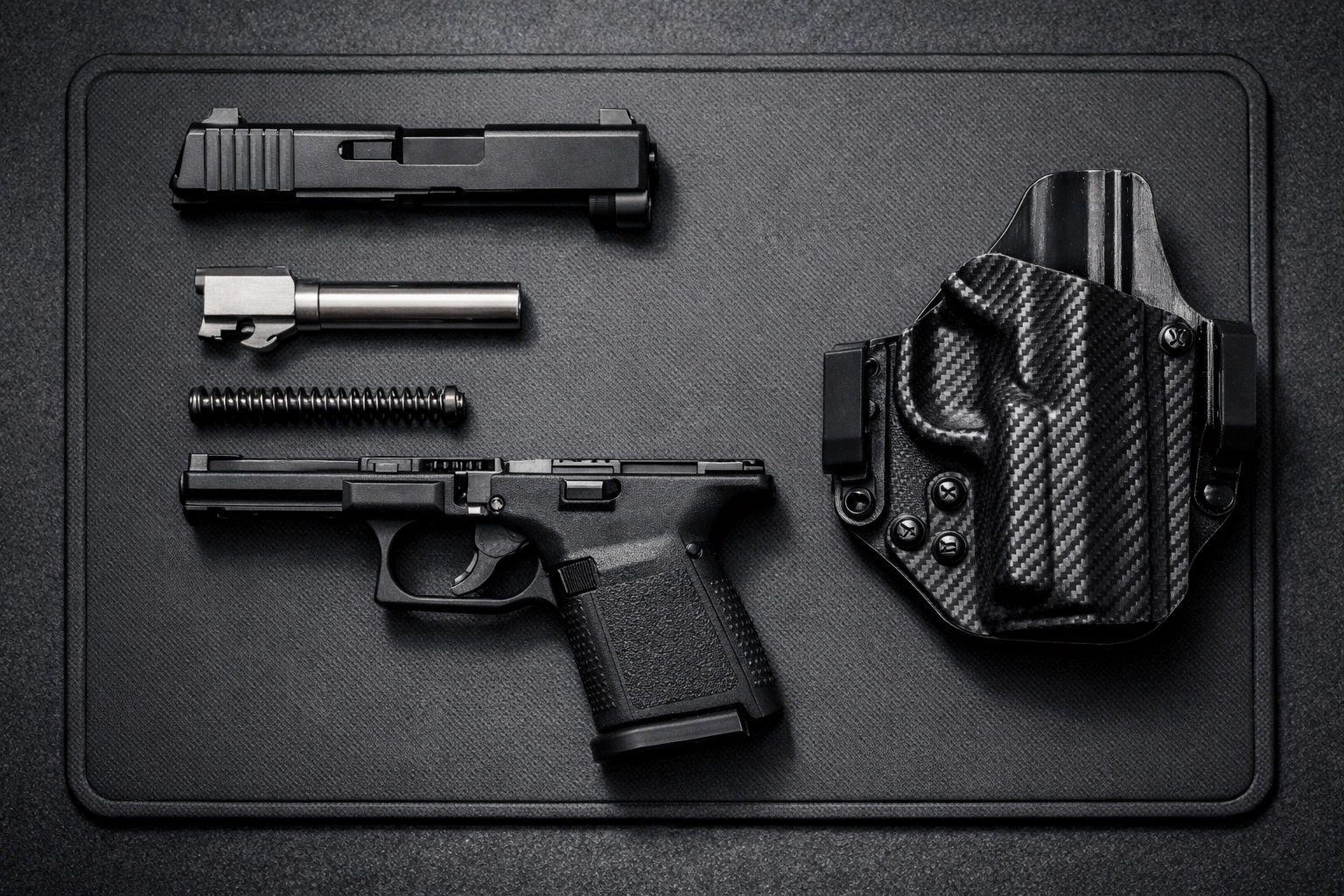
Now that the gun is apart, it’s time to get to work. We’ll tackle this in three main sections.
The barrel takes the most abuse from heat and friction.
Pay close attention to the "face" of the slide where the firing pin comes out (the breech face) and the extractor claw.
The frame usually doesn't get as dirty as the slide, but for a CCW, this is where the lint lives.
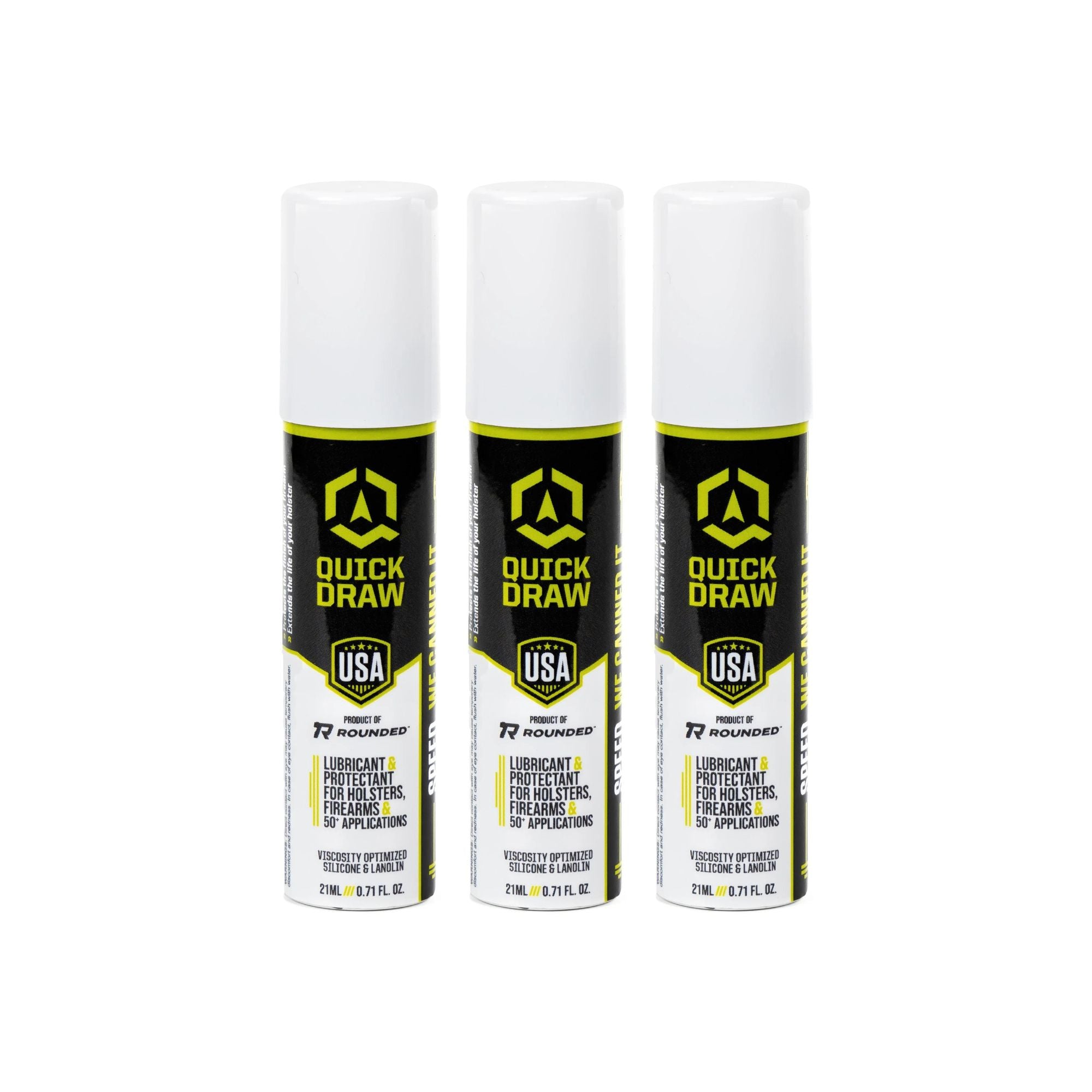
When it comes to lubricating a carry gun, the biggest mistake is overdoing it. Too much oil will leak out onto your holster, stain your clothes, and turn into a "sludge" when it mixes with dust.
Follow the "one drop" rule. Place a single drop of high-quality oil on:
Spread the oil with a cotton swab or your finger. It should look "wet" but shouldn't be dripping. If you see oil running down the side of the gun, you’ve used too much.
Put the barrel and recoil spring back into the slide, then slide the assembly back onto the frame. Once the gun is back together, you must perform a function check (again, ensure no ammunition is present).

Your gun maintenance is only as good as your holster maintenance. If you put a pristine, clean pistol back into a Kydex holster filled with sand and sweat, you’re asking for trouble.
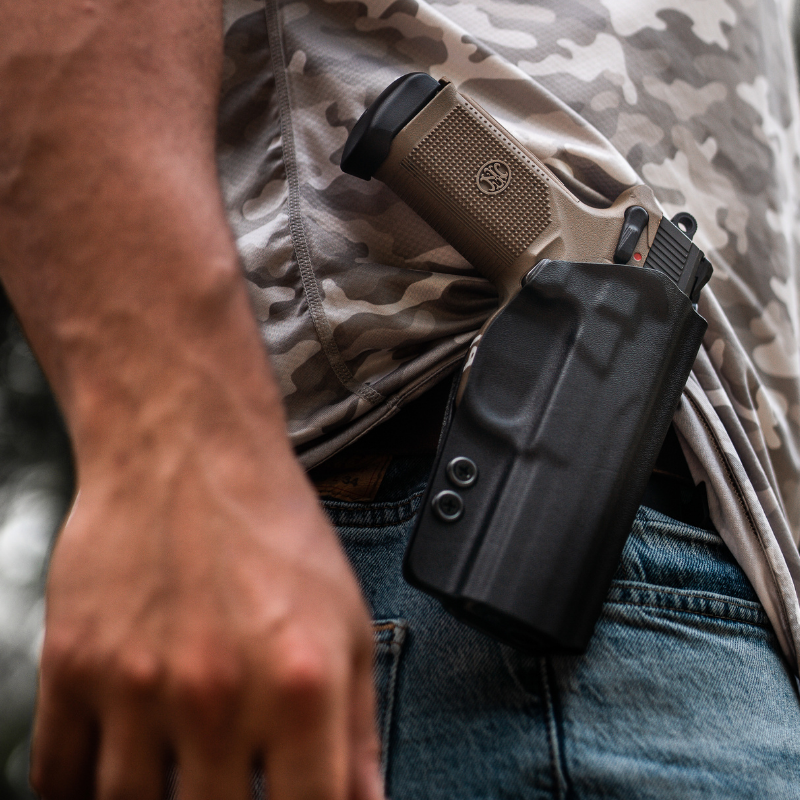
Kydex holsters are incredibly low-maintenance, but they still need a wipe-down. Every time you clean your gun, take a damp cloth and wipe out the inside of your holster. This removes the abrasive grit that causes "holster wear" on your slide's finish. Check the hardware: ensure the screws on your belt clips or claw attachments are tight. A drop of blue thread-locker can prevent these from backing out over time.
For more tips on keeping your gear in top shape, check out our instructional videos.
How often should you perform these firearm maintenance tips? It depends on how you live.
At the end of the day, cleaning your handgun isn't about making it look pretty for a photo. It’s about ensuring that the mechanical tolerances designed by the manufacturer are allowed to work without interference.
A clean gun is a reliable gun. By following these steps, you’re taking ownership of your safety and ensuring that your gear is as ready as you are. Whether you’re carrying in one of our carbon fiber IWB holsters or a rugged OWB setup, a little bit of maintenance goes a long way.
Stay safe, keep your powder dry, and keep your carry gun clean.

Comments will be approved before showing up.