Your Cart is Empty



Choosing a holster is not just about finding something that holds your firearm. A good holster should support safe carry, consistent access, all-day comfort, and a secure fit for your exact handgun. Whether you carry daily, train regularly, or are buying your first concealed carry setup, the right holster can make a major difference in how confidently and comfortably you carry.
At Rounded Gear, holsters are built around practical everyday carry needs, includingIWB,OWB, appendix,tuckable, optic-ready, andlight-bearing configurations. The key is knowing which features actually matter before you buy.
A good holster should be made for your exact firearm model, not just a general size category. Small differences in frame shape, slide length, rail design, controls, sights, optics, and weapon lights can affect how the firearm sits in the holster.
That is why shopping forholsters made to fit each gun model is important. For example, if you carry a Glock, start with Rounded Gear’sGlock holsters, or if you carry a SIG Sauer, shop theSIG Sauer holsters. Selecting by make and model helps reduce guesswork and gives you a cleaner path to the holster that matches your carry setup.
A proper fit should help the firearm seat securely, draw consistently, and stay protected while carried.
Retention is one of the most important features of any holster. Your holster should hold your firearm securely during normal movement, sitting, standing, walking, bending, and daily activities.
For concealed carry, the goal is not just tightness. The goal is controlled, repeatable retention. The holster should keep the firearm in place without making the draw feel awkward or inconsistent.
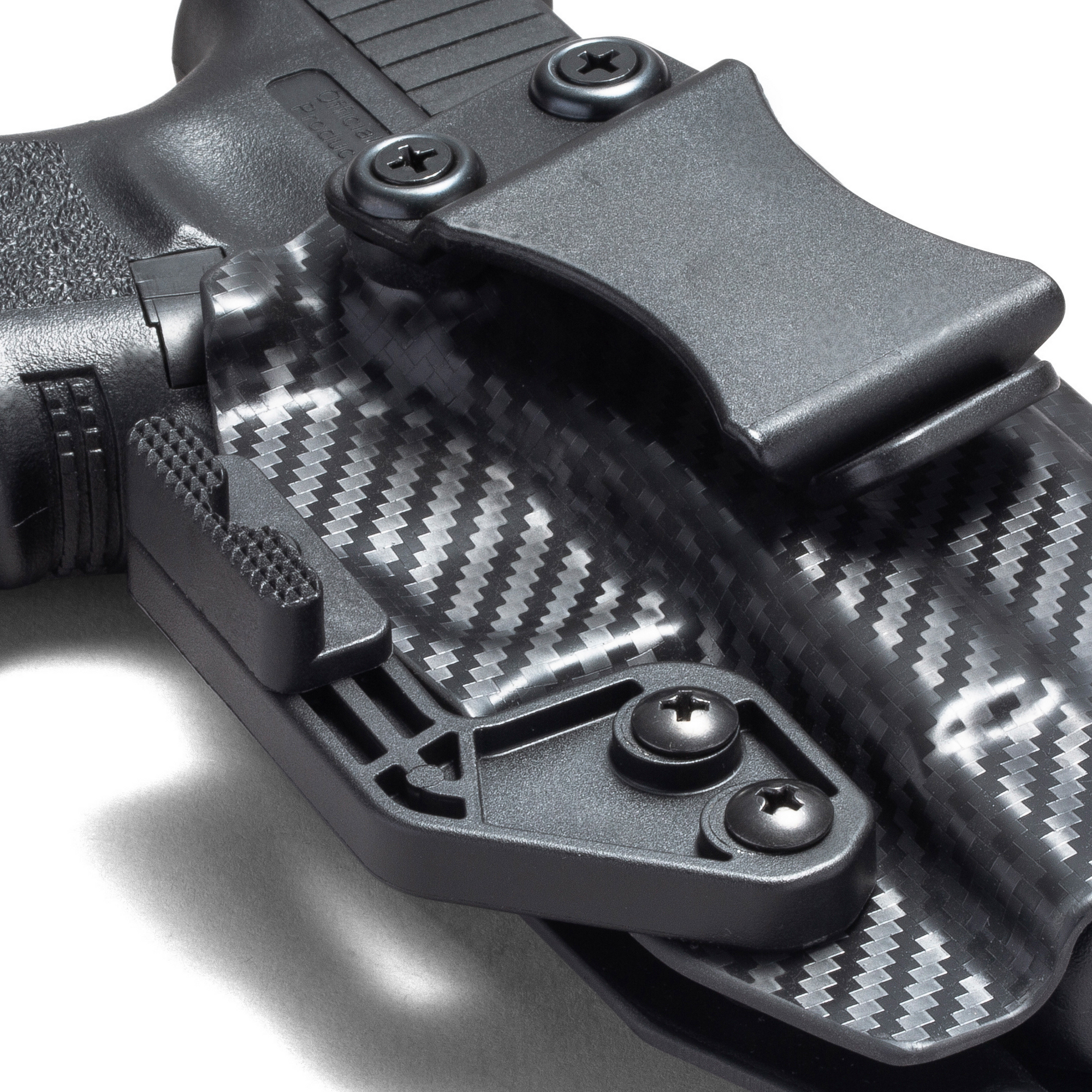
Rounded Gear’s Kydex IWB holsters are designed with adjustable retention and secure trigger guard coverage, giving carriers the ability to fine-tune the feel of their draw. For many users, that balance of security and accessibility is what separates a good holster from a frustrating one.
A quality holster should fully cover the trigger guard while the firearm is holstered. This is non-negotiable. Proper trigger guard coverage helps prevent unwanted contact with the trigger while carrying, moving, or re-holstering.
Soft, loose, or poorly fitted holsters can collapse, shift, or leave parts of the trigger area exposed. A rigid Kydex holster helps maintain its shape, which supports safer carry and more consistent re-holstering.
When evaluating a holster, look closely at how the firearm seats inside it. The trigger guard should be protected, and the firearm should not wobble loosely inside the shell.
A holster only works if you are willing to wear it. Comfort is not a luxury feature. It is part of what makes a holster practical.
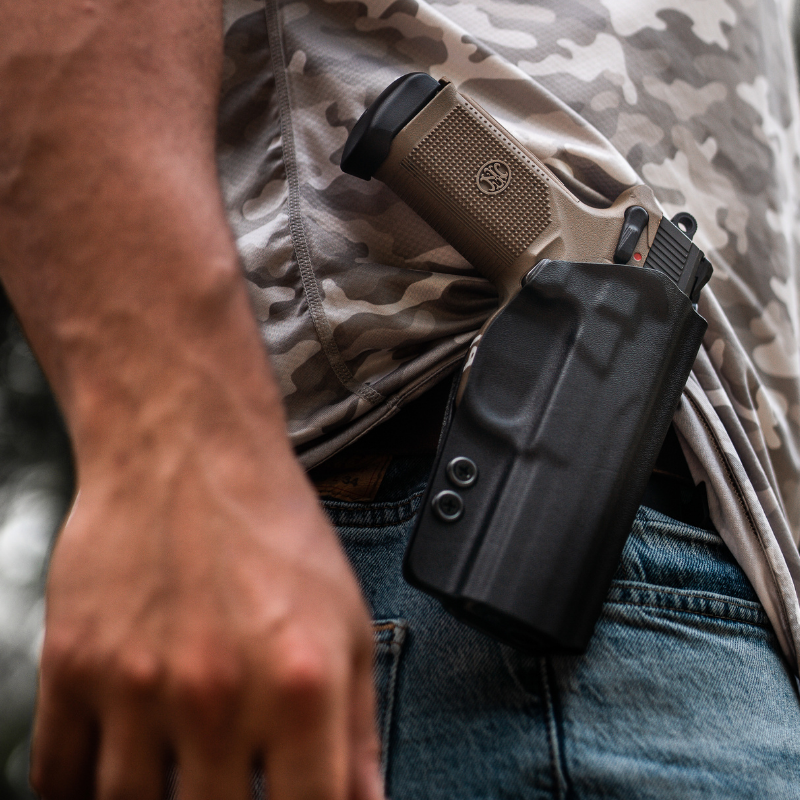
Good holster comfort comes from several factors: carry position, ride height, cant, clip placement, belt support, holster shape, and firearm size. A slim IWB holster may be ideal for everyday concealed carry, while an OWB holster may feel better for range use or carry under a jacket.
If you carry inside the waistband, our IWB holsters are a strong starting point. IWB carry keeps the firearm close to the body, which can help with concealment and daily wear.
The best setup is the one you can carry consistently without constant adjustment.
A good concealed carry holster should help reduce printing without making access difficult. Printing happens when the outline of the firearm shows through clothing, usually around the grip.
For appendix carry, a claw or concealment wing can help rotate the grip inward toward the body. For office wear or tucked shirts, a tuckable holster may be the better choice. For casual carry, a standard IWB Kydex holster may be enough.
Before choosing, think about how you dress most days. Gym clothes, jeans, workwear, business casual clothing, and outerwear all create different carry needs. The right holster should match your real routine, not an idealized version of it.
A holster should be built from a material that can handle daily use. Kydex is popular because it is rigid, durable, lightweight, and molded for a consistent fit. Unlike soft holsters, Kydex does not collapse in the same way when the firearm is drawn, which can make re-holstering more consistent.
Durability also includes the hardware. Clips, screws, spacers, and attachments should feel solid. A good holster should not loosen, flex excessively, or shift around after regular use.
Rounded Gear holsters are made in the USA and built for everyday carry, range training, and defensive setups across multiple carry styles.
Modern carry pistols often include red dots, weapon lights, upgraded sights, compensators, or other accessories. These additions can change holster fit.
If your firearm has a light, you need a holster built around that specific firearm and light combination. Standard holsters usually will not fit properly once a weapon light is attached. Rounded Gear offerslight-bearing holsters for compatible setups.
The same applies to optics. If you carry with a red dot, confirm that the holster has the correct optic clearance before ordering.
Before buying, check:
Exact firearm model
Barrel and slide length
Optic compatibility
Light or laser compatibility
Right- or left-hand draw
Carry position
Clip style
Retention options
These details prevent fitment problems later.
A good holster should help you build a repeatable draw. The firearm should sit in the same position every time. The grip should be accessible. The holster should stay anchored when you draw.
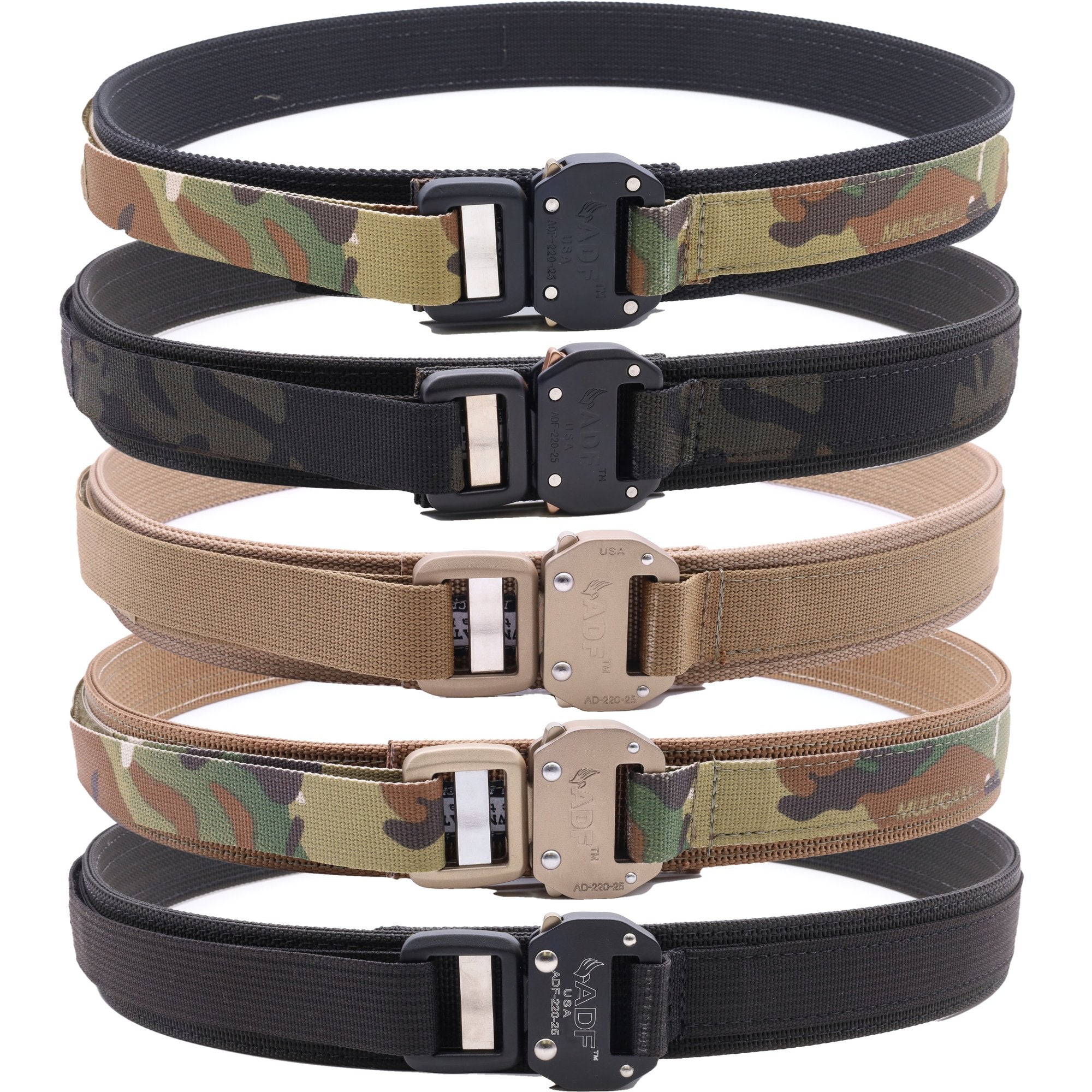
This is where belt support matters. Even a well-built holster can underperform with a weak belt. A sturdy gun belt helps keep the holster stable, reduces sagging, and supports more consistent access.
Your draw should feel controlled, not forced. If the holster shifts, collapses, rides up, or requires awkward movement, it may not be the right setup for your carry position.
Ride height refers to how high or low the holster sits on your waistband. Cant refers to the angle of the firearm. These adjustments can affect comfort, concealment, and draw speed.
Some carriers prefer a higher ride for easier grip access. Others prefer a lower ride for deeper concealment. A forward cant may work well for strong-side carry, while a neutral cant may feel better for appendix carry.
A good holster gives you enough flexibility to tune the setup to your body, clothing, and preferred carry method.
There is no single best holster for every person. The best holster depends on how and where you carry.
IWB holsters are a popular choice for concealed carry because they keep the firearm close to the body.OWB holsters can be comfortable and useful for training, range days, or carry with a cover garment. Tuckable holsters are useful when you need to dress around tucked shirts. Light-bearing holsters are necessary when your firearm has a mounted light.
If you are unsure where to start, browse by gun make and narrow by your exact firearm model.
A good holster should be secure, comfortable, durable, and built for your exact firearm. It should protect the trigger guard, retain the firearm properly, support a consistent draw, and match the way you actually carry.
Do not choose a holster based only on price or appearance. Focus on fit, retention, comfort, concealment, and compatibility. Those are the features that matter once the holster becomes part of your daily routine.
Ready to find the right fit? Browse allholsters by gun make orbrowse by style.

Comments will be approved before showing up.